

THE SOCIAL SKILLS SPOTLIGHT BLOG
Your Go-To Source for Social Skills Tips for Parents and Resources for Speech Therapists
Whether you're a parent looking for speech and language tips to help your child navigate social situations and friendships, or a provider searching for social skills resources for speech therapists and a clearer framework for teaching them, you're in the right place. Pull up a post, take what's useful, and come back to continue your learning.
FEATURED POSTS
FEATURED POSTS


Free Parent Resource
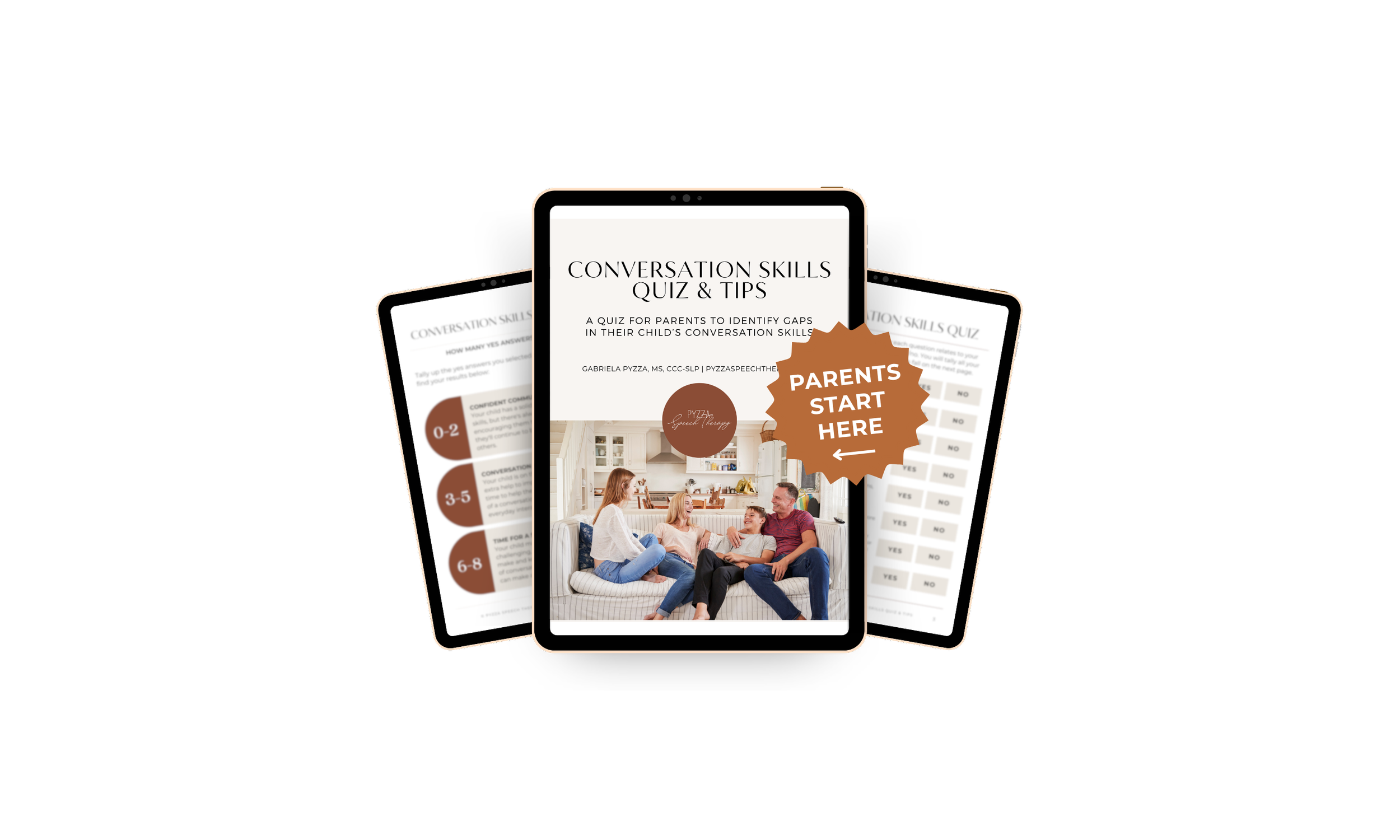
Conversation Skills
Quiz + Tips
Not sure where your child's conversation skills stand? Take the free quiz and get a clearer picture of where your child is doing well and where a little extra support could make a real difference.
Free Provider Resource
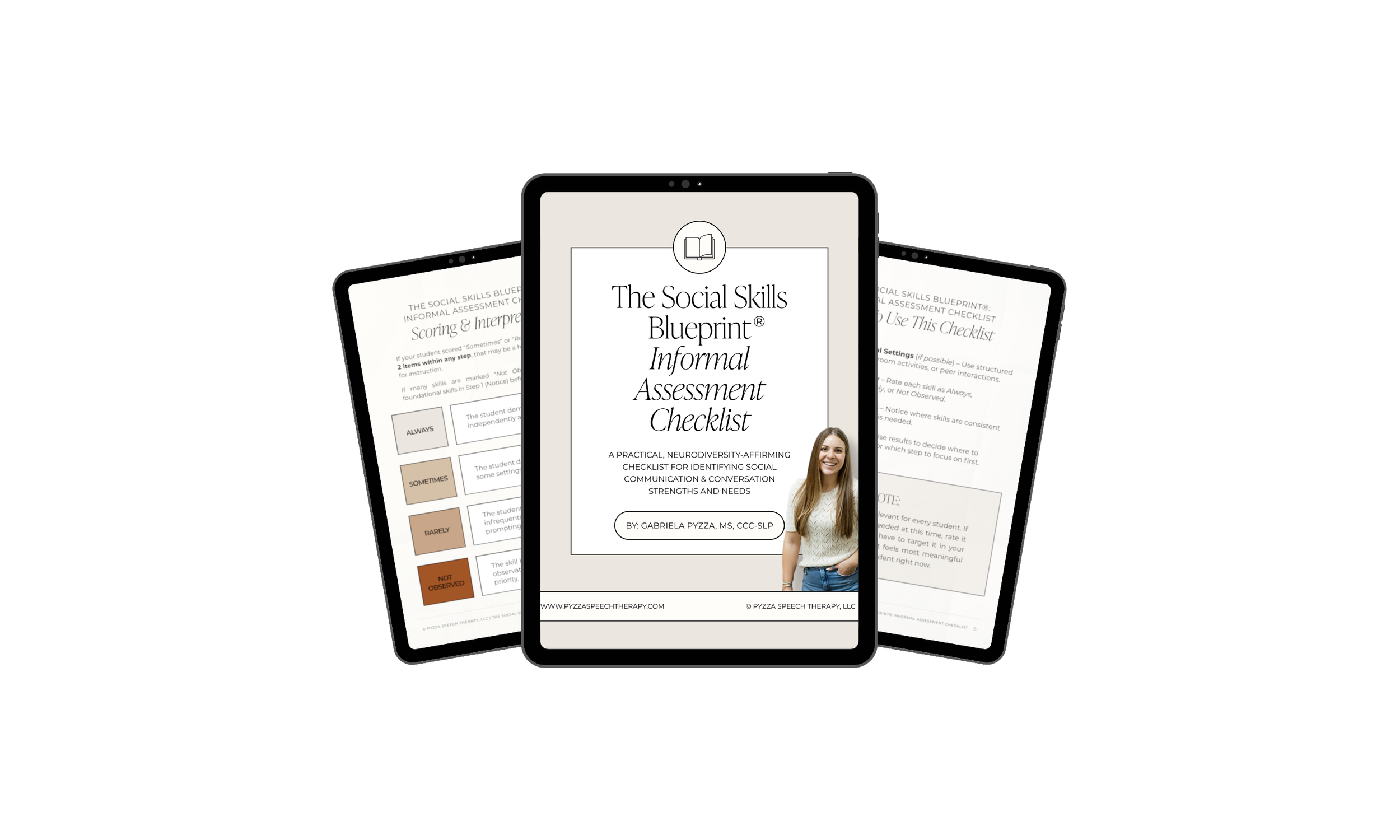
The Social Skills Blueprint® Informal Assessment Checklist
This free checklist helps you identify your student's strengths and areas of need across key conversation and pragmatic language skills, so you can walk into your next session with a clearer direction. It's a practical, neurodiversity-affirming first step that takes the guesswork out of where to begin.
Meet the Speech Therapist in Your Corner
I've Sat Across from Enough Kids Who Felt Left Out to Know That This Work Matters
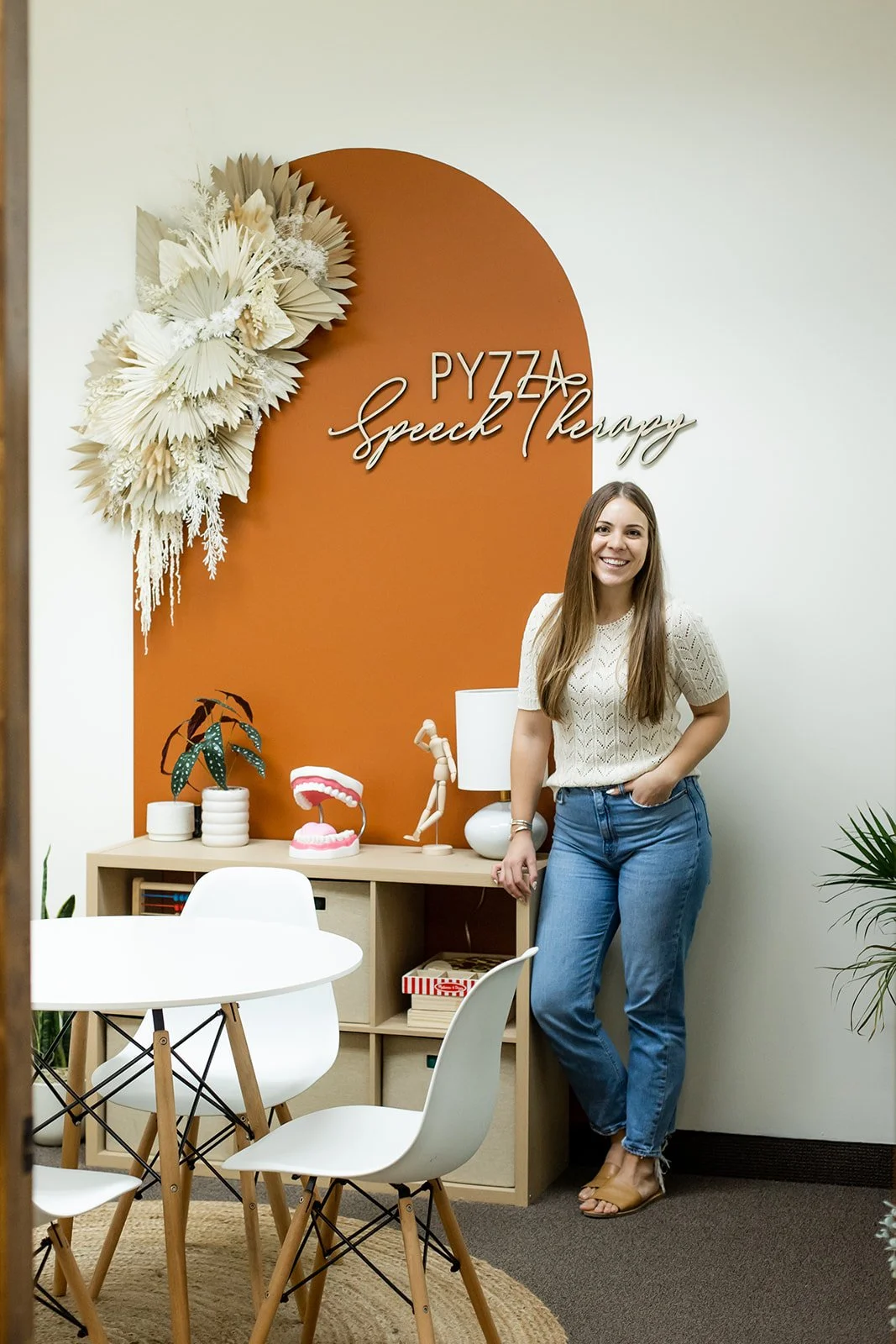
Hi, I'm Gabby, a licensed speech-language pathologist specializing in social communication and pragmatic language. I’m a UCLA PEERS® certified provider and the founder of Pyzza Speech Therapy.
Early in my career I worked with teens who told me they wanted friends but didn't know how to make them. Teaching them specific conversation skills and watching those skills open up their world was when I knew this was the work I was meant to do.
I've spent the last decade specializing in speech sounds and social communication for kids, teens, and young adults, and I still love this work as much as I did on day one. Long story short, I'm a real person who genuinely cares about the families I work with and the providers I support.
Know What You’re Looking for?


6 Benefits of Social Skills for Friendship Building
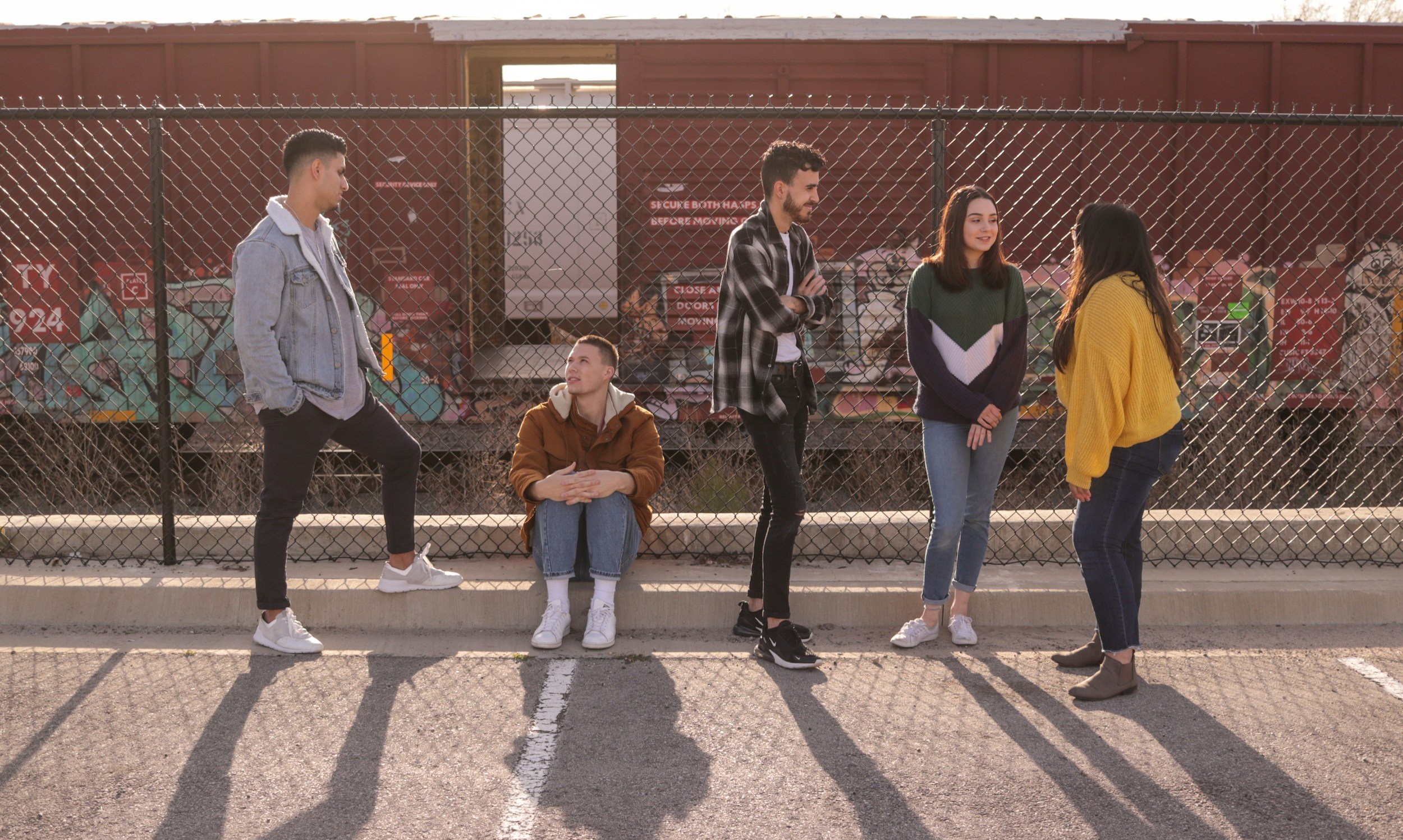
Teaching our pre-teens/teens foundational social skills can provide them with the tools they need to live rich social lives.
Bridging the Gap: Essential Conversation Skills
Navigating social situations can sometimes feel confusing, overwhelming, and even stressful, but learning essential conversation skills can make it easier. Here you’ll find three key skills to help boost confidence during conversations.

The Power of a Good Conversation: How It Helps Your Child Build Friendships & Social Skills
Many parents believe that signing their child up for activities or clubs might solve the problem of not having friends, but the truth is, good conversation skills are really important for making and keeping friends. According to research by Hall (2019), these skills are the foundation of meaningful connections, helping people connect on a deeper level and understand each other better. Remember, building friendships takes time, but by nurturing your child's conversation skills, you are paving the way for meaningful connections that can help your child feel a sense of belonging.

The Secret Superpower of Friendships
Everyone wants to feel like they belong, and friendships are the key to making that happen. Picture your child hanging out with friends, laughing, chatting, and feeling confident and accepted. Research by Blum (2022) found that friendships are very important for our kids’ well-being, and can have a big impact on their mental, emotional, and physical health. Studies have also found that good conversation skills are essential for building strong friendships. Having good conversation and friendship skills can help our kids live happy and fulfilled lives.

Why Social Skills are Essential for Making Friends
Many parents worry about their child feeling lonely, especially if they struggle with social skills. Social skills, like listening, sharing, and empathy, are really important for building connections and making friends. When kids have strong social skills, they feel more confident and comfortable in social situations. Research shows that kids with good social skills tend to do better in school, have higher self-esteem, and have better relationships throughout their lives. By teaching our kids these skills, we empower them to make connections and build lasting friendships.