
PEDIATRIC SPEECH THERAPY IN PHOENIX, AZ
for kids, tweens, and teens
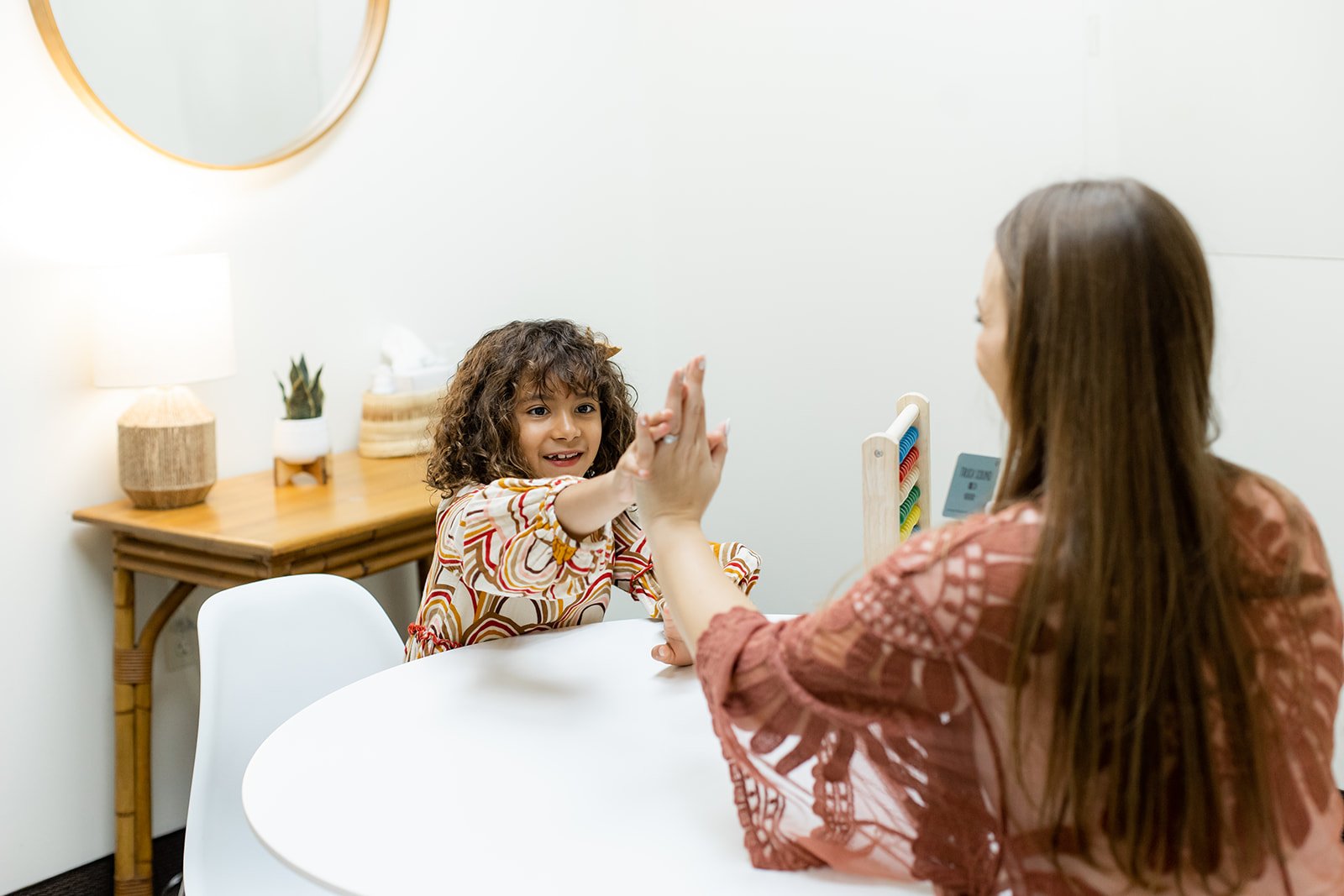
Individualized Speech
Therapy for Speech Sounds
& Social Skills
Personalized one-on-one support for kids, teens, and young adults ages 5 to 21+ who are ready to communicate with confidence.
5,000+
Sessions
34+
Five Star Reviews
175+
Kids & Teens Supported
10+
Years of Experience
Whether Your Child Struggles to Be Understood or Struggles to Connect, You’re In the Right Place
If your child's speech sounds, conversation skills, or social confidence have been on your mind, you don't have to keep navigating this without a specialist.
Does this sound familiar?
If your child is struggling with speech sounds:
Your child is hard to understand by teachers, family members, or other kids, and you can see the frustration building when people can't keep up.
Your child has a lisp or struggles with the R sound, and you want to get ahead of it before it starts to affect their confidence.
Your child has been in speech therapy before but hasn't made the progress you were hoping for, and you're ready to try a different approach.
If your child is struggling with social communication:
You've watched your child talk without really connecting, going deep on their favorite topic or missing the social cues that seem to come naturally to everyone else.
You can see the social gap widening between your child and their peers, and you want them to have real tools before the next school transition makes it harder.
A therapist, evaluator, or doctor has flagged social communication as an area of concern and you're not sure where to start.
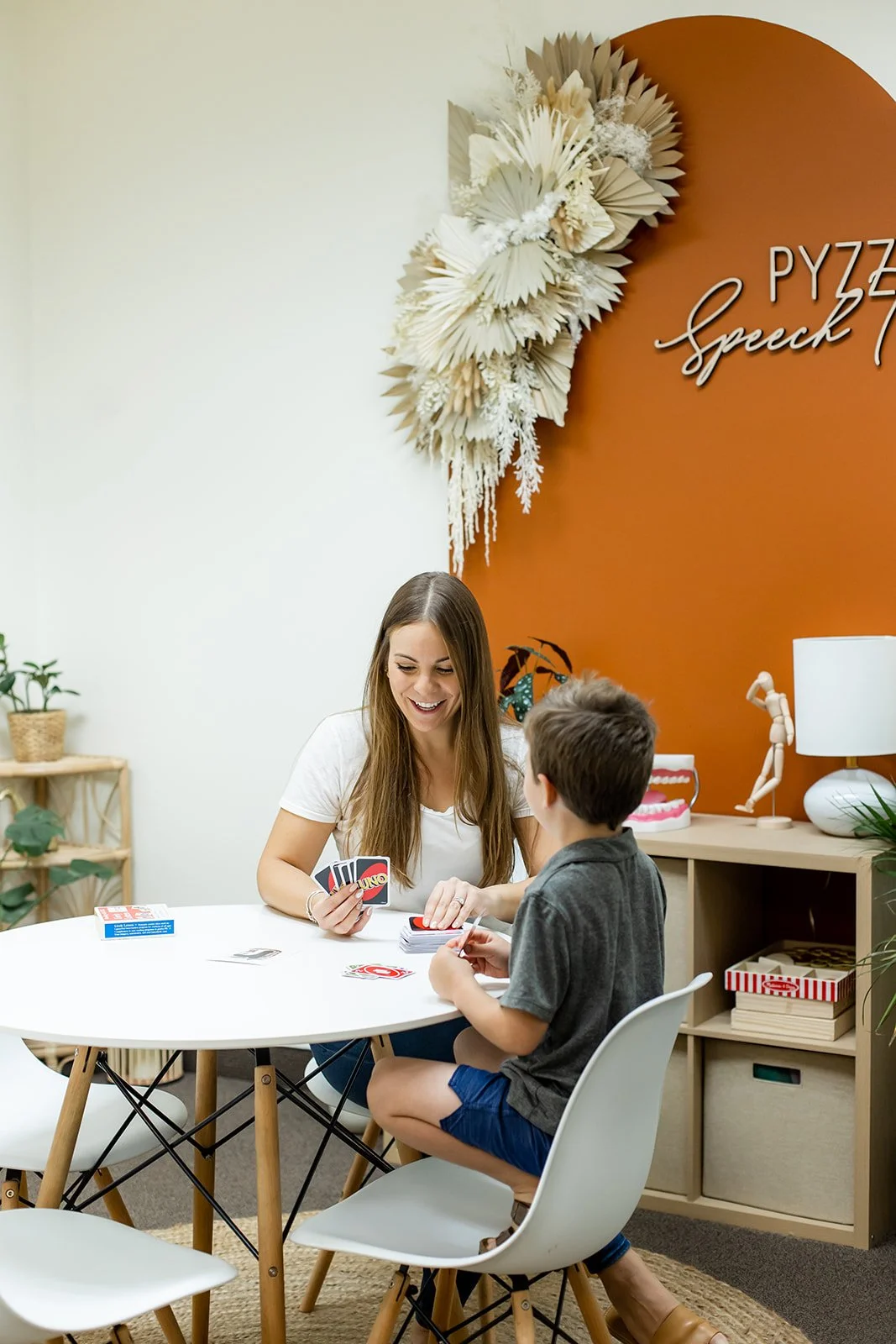
When Your Child Finally Has The Right Tools, Communicating Stops Holding Them Back
Your child is understood every time they speak.
The frustration of repeating themselves and still not being heard becomes a thing of the past, and you can see the difference in their confidence.
Conversations feel like something they can navigate.
Your child knows what to say, how to keep things going, and how to show up in the social situations that used to feel impossible.
That school transition you've been dreading feels a lot less scary.
Your child is walking into it with clearer speech, stronger social skills, and the confidence to show up as themselves.
You finally feel like you did the right thing at the right time.
You can see your child growing in the areas you've been most concerned about, and that worry you've been carrying starts to lift.

Here's What's Included
When You Work with
Pyzza Speech Therapy
01
A Comprehensive Evaluation
A thorough evaluation using formal and informal assessments, with a written report and personalized treatment plan so you know exactly where your child is starting from and where we're headed.
02
Weekly 45-Minute Therapy Sessions
Consistent, focused sessions built entirely around your child's individual goals, with the same clinician every single time so your child can build real rapport and make meaningful progress.
03
Parent Communication and Updates
A quick update after every visit covering what we worked on, how your child did, and what to watch for at home so you always feel like a true partner in their progress.
04
Home Practice Guidance
Practical, easy-to-follow activities and strategies so you can support your child's growth between sessions, because what happens at home matters just as much as what happens in the therapy room.

Three Steps Between Where
You Are Now and the Support Your
Child Has Been Waiting For
-
You'll connect directly with me to talk through your child's needs, ask any questions, and figure out together whether we're a good fit.
-
I'll take the time to truly understand what your child needs most and send you a written report with my findings and a personalized plan for moving forward.
-
From there, we meet for consistent weekly 45-minute sessions built around your child's specific goals, and I'll keep you informed and involved every step of the way.
TESTIMONIALS
TESTIMONIALS
Questions About Pediatric Speech Therapy
How do I know if my child needs speech therapy?
If you've noticed something and it's brought you to this page, that instinct is worth paying attention to. Here are some signs that pediatric speech therapy in Phoenix, AZ, might be a good fit: difficulty being understood, struggles with sounds like lisps or the R sound, trouble holding a back-and-forth conversation, difficulty making or keeping friends, or a child who shuts down socially even though they want to connect. You don't need to wait until things feel urgent. A free consultation is a great place to start.
Do we need to have a diagnosis before starting?
No, a diagnosis isn't required to begin speech therapy with me. Many families come to me before any formal evaluation, and some never pursue a diagnosis at all. What matters most is that your child is struggling and you want them supported. If you're mid-evaluation, that's fine too. We can get started and incorporate new information as it comes in.
Do we have to do the evaluation first, or can we just start therapy? And do we need a referral from our pediatrician?
No referral is needed. Reach out directly to schedule a free consultation and we'll take it from there. For new clients, I recommend starting with an evaluation before jumping into sessions. It gives me a clear picture of where your child is starting from and what their therapy plan should look like, and gives you a written report you can share with their school, pediatrician, or other providers.
How many speech therapy sessions per week does my child need, and does it matter how often we come in?
For most kids, weekly sessions are the sweet spot, and consistency is one of the biggest factors in how quickly they make progress. Weekly sessions give us enough frequency to practice and build on what we're working on without losing momentum. Every other week can feel more manageable, but when sessions are too spread out, skills don't get reinforced enough to really stick. If your schedule makes weekly difficult, let's talk about it during the consultation and figure out what makes sense for your child.
Do you offer virtual speech therapy sessions, and are they actually effective?
Yes, and they're very effective. In addition to in-person sessions at my Ahwatukee office, I offer virtual sessions for families who prefer them, whether it's a scheduling issue, a long drive, or just the convenience of being home. For some kids, being in their own environment actually helps them open up and engage more. Consistency is what drives progress, and if virtual makes it easier to show up every week, that's a great option. We'll talk through what makes sense for your child during the consultation or evaluation.
How much speech therapy is enough, and how do I know when we are done?
There's no universal answer because every child's goals and pace are different. What I can tell you is we'll set clear, measurable goals from the start, and I'll always be transparent about where your child is and what's still ahead. We’ll decide together when your child has truly met their goals.
How does speech therapy help kids with autism, and what does a speech therapist actually do for autism?
For kids with an autism diagnosis, therapy often goes beyond speech sounds into social communication: back-and-forth conversation, unwritten social rules, reading cues, and connecting with peers. These skills don't come naturally for everyone, but can absolutely be learned. My approach is neurodiversity-affirming, so we're giving your child tools they can use to feel more confident during the social situations they want to be part of.
My child's neuropsychological evaluation flagged social skills as an area of concern. What does that actually mean?
It means your child may struggle with the social side of communication: back-and-forth conversation, reading social cues, unwritten social rules, and connecting with peers. This is sometimes called pragmatic language, a core area I work on directly. Evaluations may also flag receptive or expressive language challenges, which often show up alongside it. A free consultation is a great place to start making sense of the report and figuring out if this is the right fit.
How much does a speech pathologist cost, and do you take insurance?
Cost varies depending on the practice, the clinician's experience, and what your child needs. I'd encourage you to book a free consultation so we can talk through your child's needs and I can share current rates directly. What I can tell you is you'll always know exactly what you're paying for, no surprise fees. I'm an out-of-network provider, so I don't bill insurance directly, but I provide invoices after each session you can submit for potential reimbursement. I'd recommend calling your insurance provider beforehand to ask about your out-of-network benefits, and I'm happy to walk you through that process.
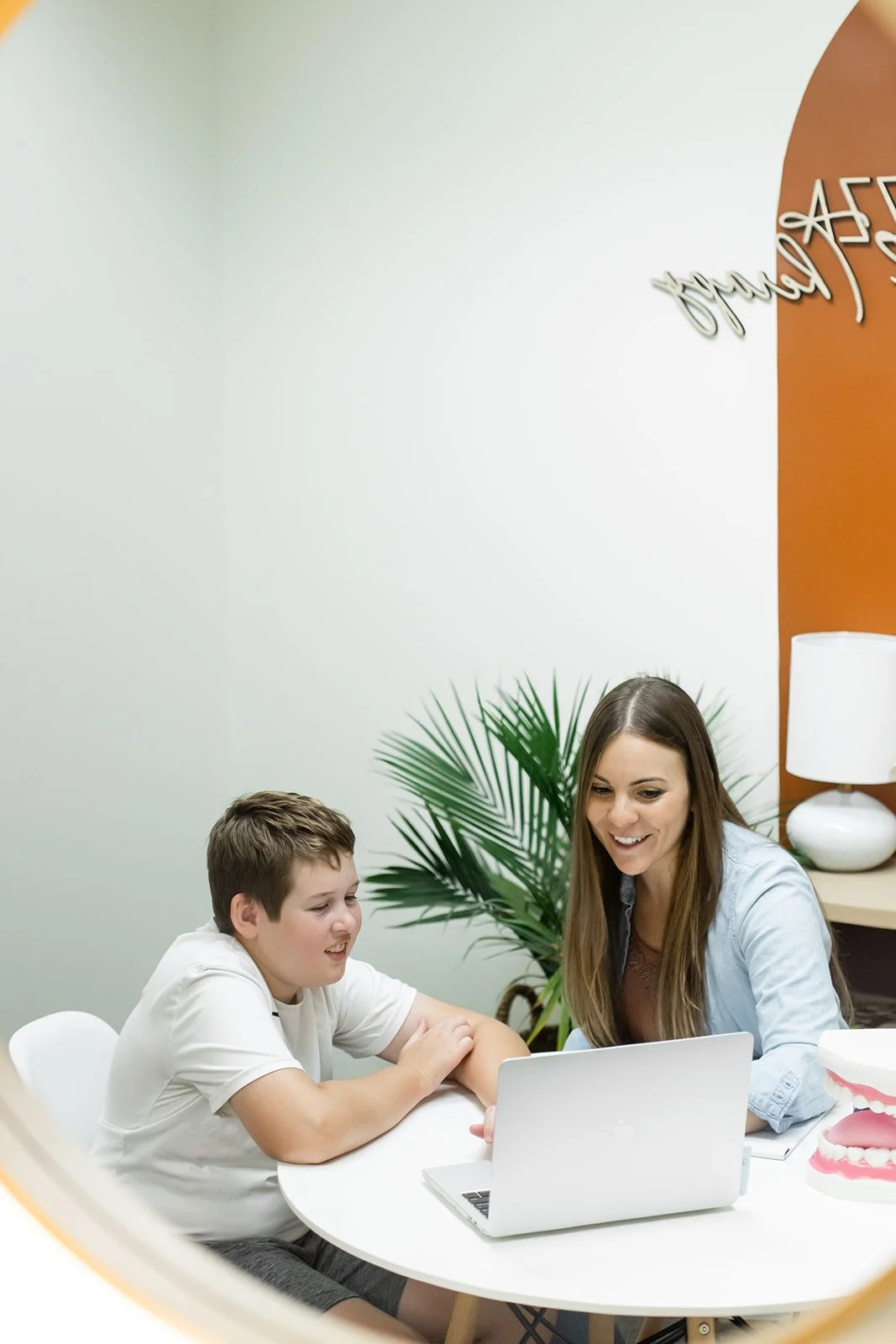
Your Child Deserves to Walk Into Every Room Feeling Heard, Understood, and Confident
That's exactly what we're working toward together. Book a free consultation and let's figure out the right first step for your child.